PBD Home Network Home The Things Professional Cleaners See That Homeowners Completely Miss

The Things Professional Cleaners See That Homeowners Completely Miss

The Things Professional Cleaners See That Homeowners Completely Miss post thumbnail image

Most homeowners know when their house needs cleaning. There are crumbs on the counter, dust on the shelves, and maybe a suspicious ring around the bathroom sink. But professional cleaners tend to notice a completely different set of problems. After seeing hundreds of homes, they develop an eye for the little details that most people stop noticing. Some hide behind furniture, some sit high above eye level, and others are places we clean regularly without realizing we’re missing the real source of the mess.

Dust Can Hide in Unexpected Places

You might think dusting means running a cloth over shelves and tables, but professional cleaners know dust hides in plenty of other places. It collects on ceiling fans, light fixtures, vents, picture frames, and door tops. Equipment used to maintain indoor air quality, including Air Duct Cleaning Equipment, can also reveal how much dust and debris accumulates in areas homeowners rarely inspect. Once you know where to look, those supposedly clean rooms can suddenly look very different.

The Tops of Things Are Often Forgotten

One of the easiest cleaning mistakes is focusing only on what is directly in front of you. The tops of refrigerators, cabinets, wardrobes, and bathroom mirrors can quietly gather layers of dust and grime. Because these surfaces are usually out of sight, it’s easy to forget them. Professional cleaners naturally scan a room from top to bottom, so they catch these neglected areas before they get seriously dirty.

Grime Builds up Around Handles and Switches
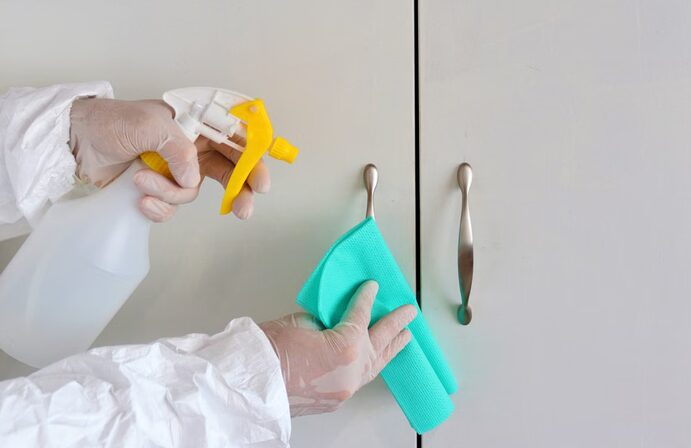
door handle cleaning

Door handles, light switches, cabinet pulls, and appliance buttons are touched constantly, yet they often don’t make it into a regular cleaning routine. Over time, fingerprints, oils, dust, and general grime can build up around them. A professional cleaner is likely to notice discoloration or sticky surfaces almost immediately. These small details might not seem important individually, but cleaning them can make an entire room feel fresher.

Furniture Has a Hidden Side

Moving furniture isn’t exactly anyone’s favorite household chore, so it’s understandable that people often ignore the areas underneath and behind sofas, beds, and cabinets. Professional cleaners, however, know that these spaces can collect impressive amounts of dust, hair, crumbs, and other debris. Even if you don’t move every piece of furniture every week, occasionally checking these hidden zones can prevent them from becoming miniature storage areas for everything your vacuum never reaches.

Bathroom Buildup Is More Than What You See

A bathroom can look clean while still hiding plenty of buildup. Professionals pay attention to grout lines, the edges around toilets, shower door tracks, faucet bases, and the underside of bathroom fixtures. Soap residue and mineral deposits can gradually become stubborn if they’re left alone. Regular attention makes these areas much easier to maintain, whereas waiting until the buildup is obvious usually means spending considerably more time scrubbing.

Your Cleaning Tools Can Cause Problems

Here’s something many homeowners don’t consider: cleaning equipment can get dirty, too. A vacuum with a clogged filter, a mop that isn’t properly washed, or a collection of old, grimy cloths can spread dirt instead of removing it. Professional cleaners understand that tools need maintenance too. Clean equipment works more effectively and helps prevent the frustrating cycle of apparently cleaning a surface only to leave behind another layer of residue.

Professional cleaners aren’t necessarily using some magical ability to spot dirt. They know where dirt tends to hide because they’ve seen the same patterns again and again. Looking above eye level, checking forgotten surfaces, moving furniture occasionally, and paying attention to frequently touched areas can completely change the way you approach household cleaning. The next time your home looks spotless, take a closer look—you might discover that the things professionals notice have been hiding in plain sight all along.
 

Related Post

floor

The Best Type of Vacuum Cleaner for YouThe Best Type of Vacuum Cleaner for You

We all dreamt of having our own place to live in, either a house or a condo. We do our best to maintain our home as neat and clean as possible. Of course, we want to go home to a clean house. We always spend our extra time in our homes, that is why it is essential to maintain its cleanliness. If not, we can quickly get sick with all the dust and dirt that your house accumulated. When you got home from work or school, you carry the dust and dirt inside your house from the outside. There is a lot of equipment that can help you with cleaning your home, such as a vacuum. Indeed, a vacuum can really help you clean your space.

Upright

Upright type of vacuums is known for its strong suction and broad floor heads that can clean up to 15 inches or more in just a single pass. There are two versions of upright type vacuum: bagless and bagged. The upright segment of these vacuums holds the engine and dust collection system. Because of that, these types tend to weigh more than the other kinds of vacuums, and this design requires you to push and pull the vacuum cleaner over the floor as you clean.

Canister

If you need a vacuum with a floor head that can reach to elevated heights or isolated regions under your furniture, a canister type of vacuum cleaner may be an excellent choice for you. These vacuums highlight a canister body that houses the engine and dust collection system associated with a hose to a floor nozzle. One of the significant advantages of a canister vacuum is the fact that the canister can sit stable while you clean the room around it.

Cordless

If you want a vacuum that you can bring anywhere with you, this is perfect for you. Cordless vacuum, from the name itself, has no cord that will limit you to places that you need to clean. This type of vacuum is slimmed down upright vacuum cleaner that is powered by a battery. These vacuums are ideal for speedy cleanups in high traffic areas, but come up short on the significant suction power, dustbin capacity, or battery life to deal with entire house obligation. Rather than busting out the enormous vacuum, loosening up the rope, plugging it in and then having to put it all away after using it, a cordless vacuum is prepared at whatever point and any place with minimal time to get it out or set it aside.

Technology

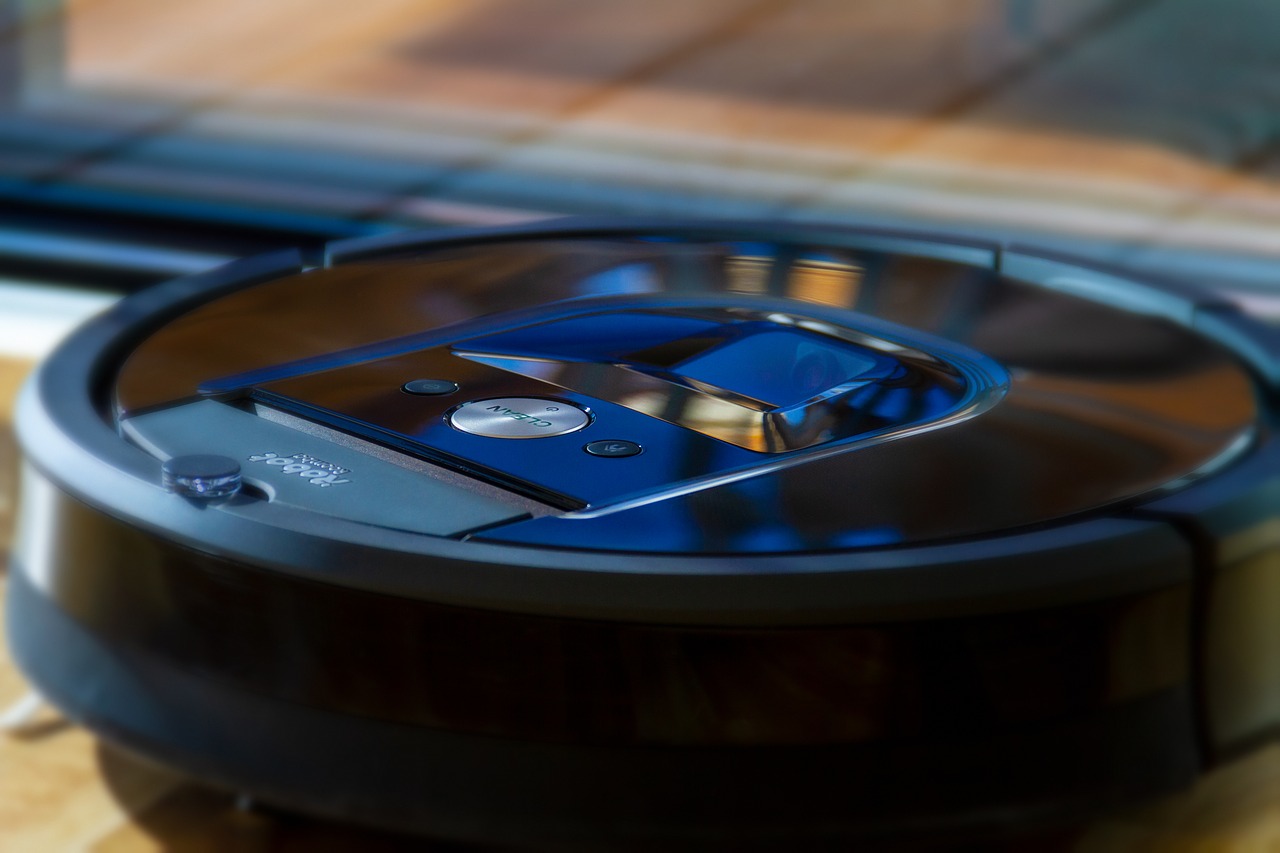
What Make Roomba the Best Robot Vacuum CleanerWhat Make Roomba the Best Robot Vacuum Cleaner

With a Roomba in your home, you may not need a house help or cleaning services as often as you did before. This robot vacuum cleaner, when used regularly, can make your floor clean and shiny all the time. It also lets you save your energy for some other things.

While there are other robot vacuum brands out there, the best Roomba models are second to none with these innovative features.

Dirt Detect Technology

TechnologyOne of Roombas’s best features is their ability to detect dirt that we may not able to see with our eyes wide open. With this feature, we can be assured that our floor is indeed very clean. This will prevent dust build-up, which we often see in hard-to-reach corners wherein they become ugly dark spots in due time.
These spots are often hard to clean that you may need to apply a detergent to remove the discoloration on your floor. After a Roomba has mopped the floor, it may be very safe to allow your baby to practice his crawling skills.

Cliff Detect Sensor

With the cliff detect feature, the Roomba will figure out stairs and other areas where it might fall. This means that you can leave your robot vacuum cleaner to clean your floor, knowing that it will not fall, and it can detect the dirty parts on your floor all by its lonesome. This feature of the Roomba makes it more durable and long-lasting.

Dual Brush Design

The two brush rollers of a Roomba makes it the best robot vacuum for homes with carpet flooring. If you have pets in your home, you may need not worry because your Roomba with its two brush rollers will be very efficient in removing your pet’s furs and your own hair on the carpet. For sure, removing furs, hairs, and threads on your carpet has been one of the hardest parts of house cleaning.

Power Suction

The strong suction ability of a Roomba is intentionally built for smooth flooring types like wood and tiles. While it uses its dual brush on carpets, it has a reliable suction power to remove dust on uncarpeted parts of your floor. This makes a Roomba excellent on any flooring.

Automatic Dirt Disposal

If a robot vacuum cleaner does not have this feature, it is losing some of its purposes. A Roomba has automatic dirt disposal, so you do not have to be in contact with the dirt it collected from your floor. It also has an anti-allergen technology that traps pollens and molds.

Roombas have a number of models, and some may have more innovative features, but you can be sure that they are Wi-Fi and apps connected so you can have a better command of your device.

The Role of Clean Ductwork in HVAC PerformanceThe Role of Clean Ductwork in HVAC Performance

HVAC systems are often judged by how well they heat or cool a space, but their performance starts with what happens inside the ductwork. Over time, dust, debris, and contaminants can build up, restricting airflow and forcing the system to work harder than necessary. Professionals who use specialized air duct cleaning equipment are able to remove these obstructions, restoring proper circulation and efficiency. Clean ducts support balanced temperatures, lower energy consumption, and reduce strain on key components. Understanding the role of clean ductwork in HVAC performance helps explain why regular maintenance is essential for comfort, system longevity, and consistent indoor air quality.

Airflow Efficiency and Resistance

Ducts are made to allow air to pass through them with little resistance. Maintaining smooth airflow through clean interior surfaces enables the system to deliver the proper amount of air to each area. The effective duct diameter decreases as dust and debris accumulate. The HVAC system must work harder to move the same volume of air due to this constraint, which increases pressure and friction. Longer run durations, increased energy usage, and uneven heating and cooling might result from this additional resistance over time.

Impact on System Load and Energy Use

An HVAC system is engineered to operate within specific pressure and airflow ranges. Dirty ductwork disrupts these conditions, increasing the load placed on the blower motor and other components. As the system compensates for restricted airflow, it draws more power and cycles more frequently. This additional effort directly translates into increased energy use. Clean ducts support normal operating conditions, allowing the system to reach target temperatures more efficiently and shut off when appropriate.

Temperature Consistency Across the Home

Clean ductwork plays a key role in maintaining consistent temperatures from room to room. When airflow is unobstructed, each supply register receives a predictable amount of conditioned air. Contaminated ducts can cause uneven airflow distribution, with some areas receiving adequate airflow while others receive too little. These imbalances create hot and cold spots that reduce comfort and often prompt occupants to unnecessarily adjust thermostats. Clean ducts help preserve the system’s designed balance.

Indoor Air Quality Considerations

Ductwork also influences the quality of the air being circulated. Dust, pollen, and other particles that settle inside ducts can be redistributed throughout the home each time the system runs. Clean duct interiors reduce the amount of particulate matter introduced into living spaces. While filtration systems capture many airborne particles, clean ducts limit the reservoir of contaminants that can bypass filters or become airborne due to airflow disturbances.

Equipment Longevity and Wear

Increased system strain due to restricted airflow contributes to premature wear of HVAC components. Motors, fans, and heat exchangers are designed for specific operating conditions. When those conditions are consistently exceeded, mechanical stress increases. Over time, this stress can shorten the lifespan of key components and raise the likelihood of breakdowns. Clean ductwork helps maintain stable operating parameters, supporting longer equipment life and fewer unexpected repairs.

Relationship Between Maintenance and Performance Stability

HVAC performance is not static. As a system ages, small changes in duct condition can gradually affect airflow. Regular inspection and cleaning help preserve the original design intent of the duct system. This proactive approach prevents minor buildup from becoming a major restriction. Maintaining clean ducts supports predictable performance year after year, rather than allowing gradual efficiency losses to go unnoticed.

Clean ductwork plays a fundamental role in HVAC performance by supporting efficient airflow, stable system load, consistent temperatures, and better indoor air quality. By minimizing resistance and reducing strain on equipment, clean ducts help systems operate as designed. Over time, this contributes to lower energy use, improved comfort, and longer-lasting HVAC components.

Discover more from PBD Home Network

Subscribe now to keep reading and get access to the full archive.

Continue reading