PBD Home Network Home Ways to Find the Home of Your Dreams

Ways to Find the Home of Your Dreams

Ways to Find the Home of Your Dreams post thumbnail image

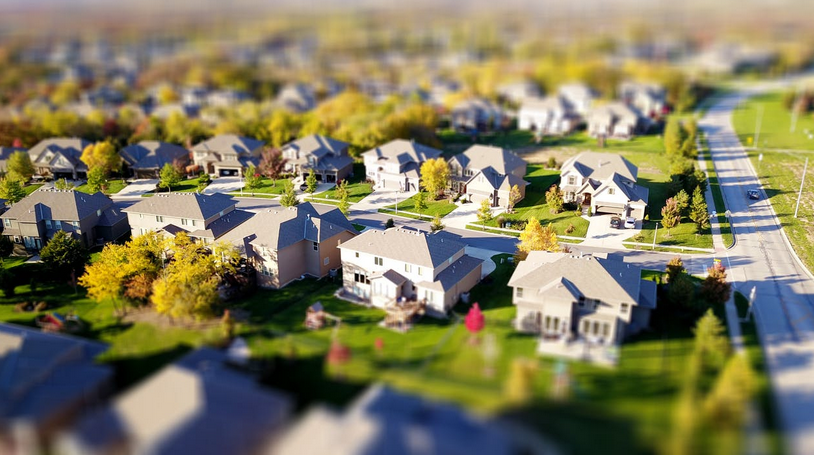
Looking for the home of your dreams can be a daunting task. There are many things to consider, from location to budget to the type of home you want. This is because they are known to have good schools, a strong economy, and a low cost of living. However, there are a few ways to make your search for the perfect home easier. Here, we will discuss some tips and tricks for finding the perfect home for you and your family. So read on and get started on your dream home today.

Hire a Real Estate Agent

agentHiring a real estate agent is a great idea if you’re unsure where to start your search for a new home. A good real estate agent will be able to help you find homes that fit your budget and your needs. They will also be able to answer any questions you have about the home buying process. When hiring a real estate agent, you need to make sure that you find someone you trust.

Ask your friends and family for recommendations, or look for reviews online. Once you’ve found a good agent, they will be able to help you find the perfect home for your family. This is so you can ensure that your agent can be trusted.

Check Online Listings

There are a lot of great online resources for finding homes for sale. Sites like Zillow and Trulia have a ton of listings, and you can filter them by location, price, and other factors. This is a great way to get an idea of what’s out there without having to leave your house. Online listings are also a great way to compare prices and get an idea of what you can expect to pay for the home of your dreams. This is also an easy way to find contact information for real estate agents in the area.

Check Open Houses

open houseIf you’re not sure what kind of home you want, or if you’re just starting your search, going to open houses is a great idea. This will allow you to see various homes and get an idea of what’s available in your price range. It’s also a great way to meet real estate agents and get an idea of what they’re like. When you go to an open house, make sure you take a tour of the entire house. This will give you a good idea of the size and layout of the home. It’s also a good idea to ask the real estate agent questions about the property. This is so you can get as much information as possible about the home.

If you’re in the market for a new home, it’s important to take your time and consider all of your options. By following these tips, you’ll be well on your way to finding the home of your dreams. Have you tried any of these methods? What worked best for you? Let us know in the comments.

Leave a Reply

Your email address will not be published. Required fields are marked *

Related Post

The Role of Clean Ductwork in HVAC PerformanceThe Role of Clean Ductwork in HVAC Performance

HVAC systems are often judged by how well they heat or cool a space, but their performance starts with what happens inside the ductwork. Over time, dust, debris, and contaminants can build up, restricting airflow and forcing the system to work harder than necessary. Professionals who use specialized air duct cleaning equipment are able to remove these obstructions, restoring proper circulation and efficiency. Clean ducts support balanced temperatures, lower energy consumption, and reduce strain on key components. Understanding the role of clean ductwork in HVAC performance helps explain why regular maintenance is essential for comfort, system longevity, and consistent indoor air quality.

Airflow Efficiency and Resistance

Ducts are made to allow air to pass through them with little resistance. Maintaining smooth airflow through clean interior surfaces enables the system to deliver the proper amount of air to each area. The effective duct diameter decreases as dust and debris accumulate. The HVAC system must work harder to move the same volume of air due to this constraint, which increases pressure and friction. Longer run durations, increased energy usage, and uneven heating and cooling might result from this additional resistance over time.

Impact on System Load and Energy Use

An HVAC system is engineered to operate within specific pressure and airflow ranges. Dirty ductwork disrupts these conditions, increasing the load placed on the blower motor and other components. As the system compensates for restricted airflow, it draws more power and cycles more frequently. This additional effort directly translates into increased energy use. Clean ducts support normal operating conditions, allowing the system to reach target temperatures more efficiently and shut off when appropriate.

Temperature Consistency Across the Home

Clean ductwork plays a key role in maintaining consistent temperatures from room to room. When airflow is unobstructed, each supply register receives a predictable amount of conditioned air. Contaminated ducts can cause uneven airflow distribution, with some areas receiving adequate airflow while others receive too little. These imbalances create hot and cold spots that reduce comfort and often prompt occupants to unnecessarily adjust thermostats. Clean ducts help preserve the system’s designed balance.

Indoor Air Quality Considerations

Ductwork also influences the quality of the air being circulated. Dust, pollen, and other particles that settle inside ducts can be redistributed throughout the home each time the system runs. Clean duct interiors reduce the amount of particulate matter introduced into living spaces. While filtration systems capture many airborne particles, clean ducts limit the reservoir of contaminants that can bypass filters or become airborne due to airflow disturbances.

Equipment Longevity and Wear

Increased system strain due to restricted airflow contributes to premature wear of HVAC components. Motors, fans, and heat exchangers are designed for specific operating conditions. When those conditions are consistently exceeded, mechanical stress increases. Over time, this stress can shorten the lifespan of key components and raise the likelihood of breakdowns. Clean ductwork helps maintain stable operating parameters, supporting longer equipment life and fewer unexpected repairs.

Relationship Between Maintenance and Performance Stability

HVAC performance is not static. As a system ages, small changes in duct condition can gradually affect airflow. Regular inspection and cleaning help preserve the original design intent of the duct system. This proactive approach prevents minor buildup from becoming a major restriction. Maintaining clean ducts supports predictable performance year after year, rather than allowing gradual efficiency losses to go unnoticed.

Clean ductwork plays a fundamental role in HVAC performance by supporting efficient airflow, stable system load, consistent temperatures, and better indoor air quality. By minimizing resistance and reducing strain on equipment, clean ducts help systems operate as designed. Over time, this contributes to lower energy use, improved comfort, and longer-lasting HVAC components.

Technology

What Make Roomba the Best Robot Vacuum CleanerWhat Make Roomba the Best Robot Vacuum Cleaner

With a Roomba in your home, you may not need a house help or cleaning services as often as you did before. This robot vacuum cleaner, when used regularly, can make your floor clean and shiny all the time. It also lets you save your energy for some other things.

While there are other robot vacuum brands out there, the best Roomba models are second to none with these innovative features.

Dirt Detect Technology

TechnologyOne of Roombas’s best features is their ability to detect dirt that we may not able to see with our eyes wide open. With this feature, we can be assured that our floor is indeed very clean. This will prevent dust build-up, which we often see in hard-to-reach corners wherein they become ugly dark spots in due time.

These spots are often hard to clean that you may need to apply a detergent to remove the discoloration on your floor. After a Roomba has mopped the floor, it may be very safe to allow your baby to practice his crawling skills.

Cliff Detect Sensor

With the cliff detect feature, the Roomba will figure out stairs and other areas where it might fall. This means that you can leave your robot vacuum cleaner to clean your floor, knowing that it will not fall, and it can detect the dirty parts on your floor all by its lonesome. This feature of the Roomba makes it more durable and long-lasting.

Dual Brush Design

The two brush rollers of a Roomba makes it the best robot vacuum for homes with carpet flooring. If you have pets in your home, you may need not worry because your Roomba with its two brush rollers will be very efficient in removing your pet’s furs and your own hair on the carpet. For sure, removing furs, hairs, and threads on your carpet has been one of the hardest parts of house cleaning.

Power Suction

The strong suction ability of a Roomba is intentionally built for smooth flooring types like wood and tiles. While it uses its dual brush on carpets, it has a reliable suction power to remove dust on uncarpeted parts of your floor. This makes a Roomba excellent on any flooring.

Automatic Dirt Disposal

If a robot vacuum cleaner does not have this feature, it is losing some of its purposes. A Roomba has automatic dirt disposal, so you do not have to be in contact with the dirt it collected from your floor. It also has an anti-allergen technology that traps pollens and molds.

Roombas have a number of models, and some may have more innovative features, but you can be sure that they are Wi-Fi and apps connected so you can have a better command of your device.

electrician

Reasons for Taking Confined Space Training for Home ElectriciansReasons for Taking Confined Space Training for Home Electricians

This blog post is dedicated to all the Home electricians out there that have been asked to work in a confined space but aren’t sure if they need training. Confined spaces are hazardous for anyone who doesn’t know how to work with them, and it can be deadly without proper training. If you have been wondering why taking confined space training in Melbourne is so important or what it entails, this blog post will answer all of your questions!

Recognize the Risks of Working in a Confined Space

confinedConfined space training is mandatory for all electricians who work in confined spaces, such as crawlspaces and attics. The training is simple to complete online or onsite at a local technical school. Confined space entry requires that the electrician be adequately equipped with rescue equipment like oxygen tanks, harnesses, and safety lines. Confined space training teaches home electricians about the risks of working in confined spaces, often cramped and poorly ventilated. Because they are small, dark places that lack oxygen for human beings to breathe, these areas can become dangerous quickly.

Without proper ventilation systems or other safety measures like gas detectors on hand, an electrician may be at risk of suffocating while working in a confined space. You might also be flooded with toxic fumes and gasses like carbon monoxide, methane, or propane in a confined space.


Learn About the Hazards of Electrical Works

guysThere are many hazards associated with working inside electrical panels and workspaces. You’ll learn about the dangers specific to electrical work – including high voltage, low oxygen levels, and arc flash protection. You’ll learn how to manage these risks and keep yourself safe. You will also have the opportunity to practice some of your new skills with a hands-on training session where you can work on an electrical panel under close supervision.  This gives you real experience using tools like the voltage tester, lockout/Tagout device, ventilation fan, and more. They will train you on what you need to do if someone has an injury or becomes unconscious inside a confined space.

This way, you can keep yourself and your co-workers safe from harm. In addition, you’ll learn about the many different types of confined spaces that exist in residential job sites. You will know how to develop a written Confined Space Entry Program, which OSHA requires any confined space entry – including crawlspaces, attics, and basements.

I’ve found this training to be insightful and valuable. This is one of the rare opportunities to learn hands-on what it feels like for an electrician to work in a confined space while not being in that situation yourself. The course provides valuable insights into how your brain responded when feeling stressed or anxious about having limited movement. It also helps you better understand any issues with claustrophobia that may arise later on down the line, so there are no surprises during live jobs underground. If you have never had experience working in tight spaces before, don’t worry! Taking this course could save your life!

Discover more from PBD Home Network

Subscribe now to keep reading and get access to the full archive.

Continue reading